What Is Verbal Behavior Therapy? A Complete Guide for Families
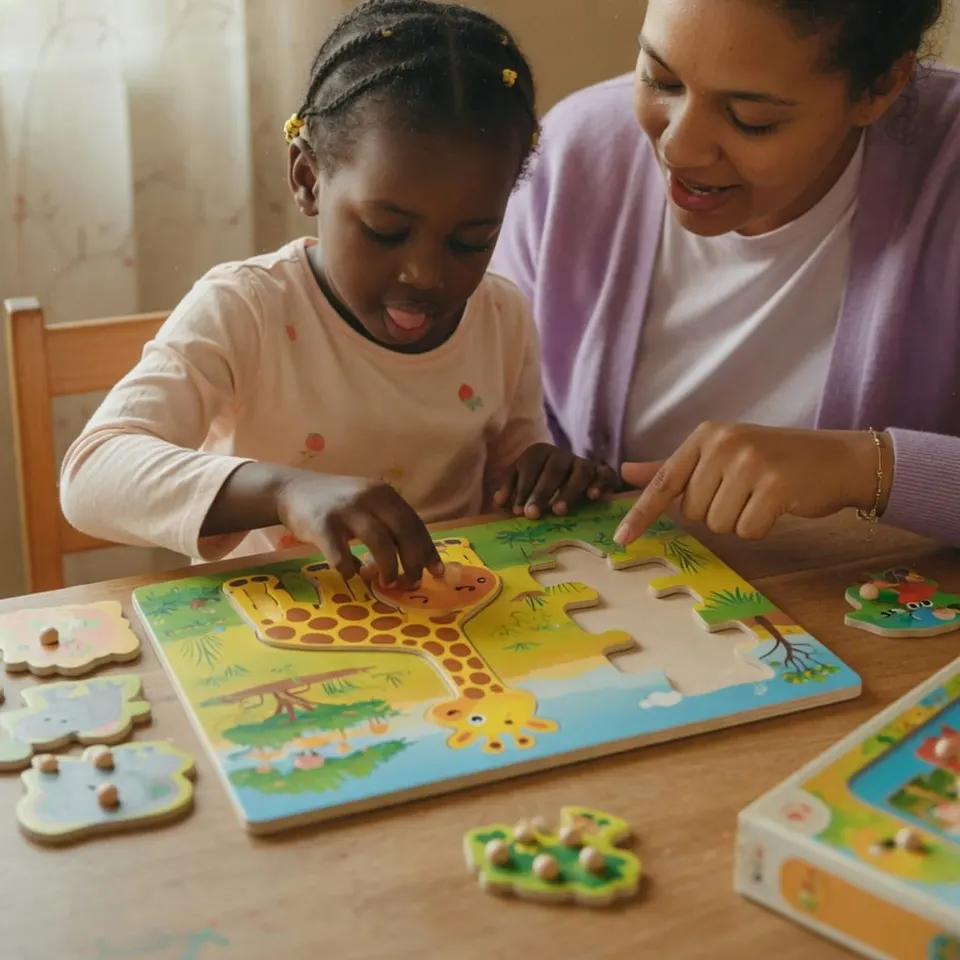
In short: Verbal behavior therapy (VBT) uses principles of applied behavior analysis (ABA) to teach children with autism how to use language meaningfully. It focuses on why we communicate-requesting, labeling, and conversing-not just saying words. VBT is usually delivered by a Board Certified Behavior Analyst (BCBA) and is often covered by insurance and Medicaid, including in states like Texas and Florida.
Key takeaways
- Verbal behavior therapy (VBT) is a form of ABA that targets functional communication by teaching the purpose of words and language.
- VBT identifies different verbal operants, including mands (requests), tacts (labels), and intraverbals (conversational responses), and teaches each separately.
- Therapies are tailored to each child's developmental level and sensory needs, often using errorless teaching, natural environment teaching (NET), and discrete trial training (DTT).
- VBT is most commonly delivered by BCBAs and registered behavior technicians (RBTs) in homes, clinics, or schools.
What Is Verbal Behavior Therapy?
Verbal behavior therapy (VBT) is an evidence-based teaching approach rooted in B.F. Skinner's analysis of verbal behavior. Unlike traditional language therapy that groups words by grammar or vocabulary, VBT breaks language into functional units-called verbal operants-based on what the words do for the speaker. For example, a child might say "ball" to request a ball (a mand), to label the ball they see (a tact), or to respond to a question like "What do you play with?" (an intraverbal). VBT helps children on the autism spectrum learn to understand and use language in ways that are meaningful and effective in everyday life.
As a free matching service, Autism Services Near Me connects families with local BCBA-led providers who specialize in VBT. We do not provide therapy ourselves, but we can help you find a vetted, licensed team in your area-whether you live in San Antonio, Miami, or anywhere else.

🔗 Related reading: Why Does My Child Line Up Toys? Understanding Repetitive Play · Local ABA Therapy
How Does Verbal Behavior Therapy Work?
VBT is delivered within a broader applied behavior analysis (ABA) program. A BCBA assesses your child's current communication skills-both spoken words, gestures, picture cards, or sign language-and identifies which verbal operants need strengthening.
Core Components of a VBT Program
- Mand training: Teaching the child to request items, activities, or information. This is a top priority because it gives the child immediate control over their environment.
- Tact training: Teaching the child to label or name objects, people, or events-for example, saying "dog" when seeing one.
- Intraverbal training: Teaching the child to answer questions or fill in statements, like "You eat with a _____" (fork).
- Echoic training: Encouraging the child to repeat sounds or words as a building block for other operants.
- Listener responding: Teaching the child to follow instructions, like "Give me the red cup."
Sessions often blend discrete trial training (DTT)-structured, repetitive drills-with natural environment teaching (NET), which uses everyday moments (snack time, play) to practice communication.
Who Can Benefit from Verbal Behavior Therapy?
VBT is designed for individuals with autism who have limited or emerging verbal skills. It can also help children who speak but struggle with social or conversational language. A BCBA will always create a personalized plan based on a functional behavior assessment (FBA) and a verbal behavior milestones assessment (e.g., VB-MAPP), matching your child's unique needs.
Typical Age Range
While VBT is most effective when started in early childhood (ages 2-5), older children, teens, and even adults can benefit-especially if they have limited functional communication. A skilled BCBA can adapt techniques for every developmental level.

🔗 Related reading: Toe Walking in Autism: ABA Therapy Insights · Local ABA Therapy
What to Expect in a VBT Session
A typical 2-3 hour session with a registered behavior technician (RBT) supervised by a BCBA may look like this:
- Warm-up: A preferred activity (e.g., bubbles) is used to build rapport and prompt requests.
- Mand practice: The child is offered a choice of toys or snacks, and prompted to request by pointing, signing, or saying a word.
- Tact practice: A set of pictures or objects are presented; the child is encouraged to label them.
- Intraverbal practice: Simple fill-in-the-blank questions are used, such as "A cow says _____" (moo).
- Play-based learning: The therapist follows the child's lead to create natural communication opportunities.
- Data collection: The RBT records every response to track progress and adjust goals.
To begin, you can share basic information with us at Autism Services Near Me, and we'll match you with a BCBA-led provider in your area-no cost or obligation.
Does Insurance Cover Verbal Behavior Therapy?
Yes. VBT is a core component of ABA therapy, which is widely recognized as medically necessary for autism. Most private insurance plans-including those from the largest carriers-cover ABA, and Medicaid in all 50 states must cover applied behavior analysis for children under 21 (depending on state regulations).
You can use your insurance or Medicaid directly with in-network providers we help you find. Some states offer additional support through early intervention programs. If you need help navigating coverage, we can provide general guidance but recommend you contact your insurance company for specific benefits.

Common Mistakes Parents Make (and How to Avoid Them)
- Focusing only on words: Some parents push for spoken language too quickly, missing the importance of functional communication (gestures, pictures, AAC devices). VBT respects all modes of communication.
- Expecting instant results: Language learning takes time-months of consistent practice. Celebrate small wins like requesting a favorite snack.
- Skipping parent training: Many providers offer training so you can reinforce skills at home. Learning how to prompt and fade prompts is crucial.
- Neglecting generalization: Practicing only at the therapy table doesn't help your child use skills in the grocery store or with grandparents. Ask your BCBA how to transfer skills to real-world settings.
How to Start Verbal Behavior Therapy for Your Child
Your first step is to get a diagnosis of autism spectrum disorder from a qualified professional (developmental pediatrician, child psychologist, or neuropsychologist). Next, contact your insurance company to confirm ABA coverage and find a BCBA. You can also use a free referral service like Autism Services Near Me: just fill out a short form, and we'll connect you with a vetted, BCBA-led provider in your area who offers VBT. Most providers can schedule an initial assessment within a few weeks and start programming quickly.
Practical Tips for Supporting VBT at Home
- Use the mand first: When you see your child reach for something, prompt them to request it-even with a point or sign-before giving it.
- Label during play: When playing with toys, name them aloud. Keep it simple: "Car," "block," "ball."
- Embed opportunities: Don't hand everything at once. If your child wants a puzzle piece, give one piece and wait for a request for the next.
- Use repetition but vary context: Practice the same word in different rooms or with different people.
- Be patient and positive: Every attempt to communicate is a step toward independence.
If you're ready to explore VBT for your child, Autism Services Near Me is here to help you find a qualified BCBA-led provider-free of charge. We've helped families in over 20 states connect with care that fits their child's needs and their insurance plan.