Summer and After-School ABA Programs in Florida: A Complete Guide
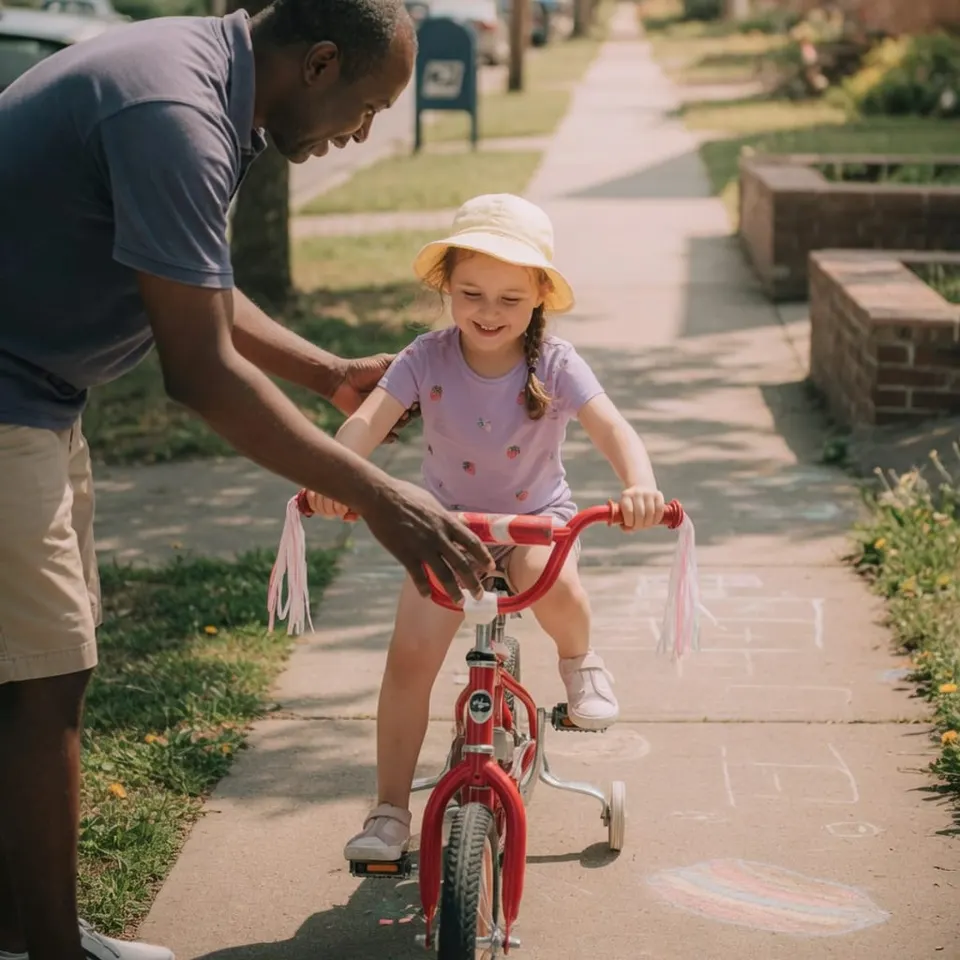
In short: Summer and after-school ABA programs in Florida provide structured therapy during non-school hours. These programs are often covered by Florida Medicaid (including iBudget and DD waivers) and private insurance. Our free service matches families with vetted BCBA-led providers across Florida.
Key takeaways
- Summer and after-school ABA programs offer consistent therapeutic support during school breaks and evenings.
- Florida Medicaid (including iBudget, DD waiver, and MediKids) and most private insurance plans cover ABA therapy, including these programs.
- Programs range from clinic-based 1:1 therapy to social skills groups and inclusive summer camps.
- Look for programs led by a Board Certified Behavior Analyst (BCBA) with a structured, data-driven approach.
What Are Summer and After-School ABA Programs?
Applied behavior analysis (ABA) therapy is most effective when delivered consistently. For children with autism, summer and after-school hours can be a critical time to maintain skills, reduce regression, and continue progress. These programs are designed to provide structured, evidence-based therapy outside of typical school hours - whether during summer break, after school, or on school holidays.
At Autism Services Near Me, we understand that finding the right fit in Florida can feel overwhelming. Our free service is here to help you find vetted, BCBA-led providers who offer these specialized programs. There is no cost to families - we simply connect you with options that match your child's needs and your family's schedule.

🔗 Related reading: Hyperfocus in Autism: ABA vs Medication · Local ABA Therapy
How Do Summer and After-School ABA Programs Work in Florida?
Programs vary widely, but most share a common core: they are directed by a Board Certified Behavior Analyst (BCBA) who designs and oversees each child's plan, while trained therapists (often Registered Behavior Technicians, or RBTs) provide the direct therapy. In Florida, these programs may take place in a clinic, in your home, or in community settings like parks or libraries.
- Clinic-based: Children attend a dedicated center, often with a structured daily schedule that includes individual therapy, social skills groups, and play-based learning.
- Home-based: Therapists come to your home, which can be convenient after school or on weekends.
- Community-based: Therapy is woven into real-world activities - trips to the grocery store, playground, or library - to practice skills in natural environments.
- Summer camps: Some programs offer full-day or half-day camps that blend ABA therapy with typical summer fun like arts, music, and swimming.
Hours vary: after-school programs typically run from 3 p.m. to 6 p.m., while summer programs may offer full-day care. Most Florida providers offer weekly sessions ranging from 10 to 40 hours, based on the child's needs and insurance or funding approval.
Common Types of Summer and After-School ABA Programs in Florida
After-School Social Skills Groups
Many families seek after-school time to work on peer interaction. Social skills groups led by BCBAs allow your child to practice turn-taking, conversation, and problem-solving with same-age peers in a structured small-group setting. These groups are common in urban areas like Miami, Orlando, and Tampa, as well as suburban communities throughout Orange County and Lee County.
1:1 Intensive Therapy Sessions
Some children benefit from one-on-one therapy after school to target specific goals such as communication, self-regulation, or daily living skills. These sessions are often clinic-based but can also happen at home. BCBAs design individualized programs and monitor progress with regular data reviews.
Summer Camps with ABA Integration
In Florida, a growing number of summer camps embed ABA principles into their daily schedule. These are not just therapeutic - they offer your child a chance to experience summer camp like any other kid. Look for camps that employ BCBAs or RBTs, offer low camper-to-staff ratios, and include parent training or progress updates.
Extended School Year (ESY) and District Programs
Florida school districts may provide extended school year services for students with disabilities. While ESY is not always ABA-specific, some districts incorporate behavior support. You can request ABA programming through your child's Individualized Education Program (IEP) team. This varies by county, so it is worth exploring with your school district's exceptional student education (ESE) department.

🔗 Related reading: Autistic Characters on TV That Got It Right · Nearby ABA Therapy
Costs and Insurance Coverage for ABA in Florida
Many families worry about cost. The good news: ABA therapy, including summer and after-school programs, is widely covered by insurance in Florida.
Florida Medicaid
Florida's Medicaid program covers medically necessary ABA therapy for children with autism. This includes coverage under the iBudget waiver, Developmental Disabilities (DD) waiver, and MediKids plans. Waiver programs often have waiting lists, so apply as early as possible. Some providers accept straight Medicaid fee-for-service as well. When you use our free matching service, we can help you find providers who accept your specific Medicaid plan.
Private Insurance
Florida law requires many private insurance plans to cover ABA therapy for autism, including summer and after-school hours. Coverage limits vary, but most plans include an annual dollar cap or session limit. Check with your insurer about prior authorization, in-network providers, and copays. Our team can help you understand your benefits and connect you with in-network programs.
Scholarships and Sliding Scale Options
Some Florida providers offer scholarships or income-based sliding fee scales. Additionally, the Family Empowerment Scholarship for Students with Unique Abilities (administered by Step Up For Students and AAA) can be used for therapy costs, including ABA. Visit the Florida Department of Education website for details.
How to Choose a Quality Summer or After-School ABA Program
- BCBA-led oversight: Ensure a qualified BCBA designs and supervises your child's program. Ask how often the BCBA meets with the child and with your family.
- Data-driven approach: A strong program measures progress regularly and adjusts goals accordingly. Request to see sample data sheets or progress reports.
- Parent and family training: The best programs teach you how to support your child's skills at home. Ask how often parent training is offered.
- Safety and ratios: Especially for summer camps, ask about staff-to-child ratios, background checks, and emergency procedures.
- Communication: A quality provider gives you regular updates about your child's day and progress. You should feel like a partner in the process.
- Location and schedule: Consider commute time and whether the program fits your work or family routine. After-school programs near schools or your home can make logistics easier.
Our free matching service at Autism Services Near Me takes many of these factors into account. You share your priorities, and we connect you with vetted, BCBA-led providers who align with your needs - whether you are in Miami-Dade, Hillsborough, Duval, or anywhere in the Sunshine State.
Practical Tips for Getting Started
- Start early: Summer program enrollment often begins in late winter or early spring. After-school programs may have rolling enrollment, but spaces fill quickly.
- Verify insurance coverage: Before you call providers, have your insurance card and policy number ready. Ask them to check your out-of-network or in-network benefits for ABA.
- Ask about the schedule: Some programs run year-round; others are seasonal. Clarify days, start/end times, and whether transportation is available.
- Visit or observe: Many providers offer tours or observation hours. Seeing the environment can help you decide if it is a good fit for your child.
- Prepare for the intake process: Most programs require a diagnostic evaluation (autism diagnosis), a behavior assessment, and insurance authorization. The provider's team usually handles authorization.
- Tap into local resources: Contact your county's Early Steps office (for ages 0-3), your school district's ESE department, or the Agency for Persons with Disabilities (APD) for waiver information. Our service can complement these resources.
What to Expect from a Summer or After-School ABA Session
Picture this: Your child arrives at a clean, welcoming clinic. A therapist greets them and begins working on goals from their individualized plan - maybe requesting a snack using words, taking turns in a game, or washing hands independently. Data is taken throughout the session. The BCBA checks in weekly to adjust targets. At the end of each day or session, you receive a brief note about what was practiced and how your child did. Over time, you see progress: more words, smoother transitions, greater confidence.
This is the reality for many Florida families. The consistency of year-round ABA therapy - whether in summer or after school - helps children build lasting skills that carry over into the classroom, home, and community.
Conclusion: Your Next Step
Finding the right summer or after-school ABA program in Florida takes time, but you do not have to do it alone. At Autism Services Near Me (autismservicesnearme.com), we are a completely free matching service for families. We work with vetted, BCBA-led providers across Florida who offer flexible summer and after-school options. Let us help you find a program that fits your child, your schedule, and your budget - at no cost to you. Start by sharing a few details, and we will send you personalized matches. Your child deserves consistent, quality ABA therapy. We are here to make it accessible.