Generalization in ABA: Helping Skills Stick Everywhere
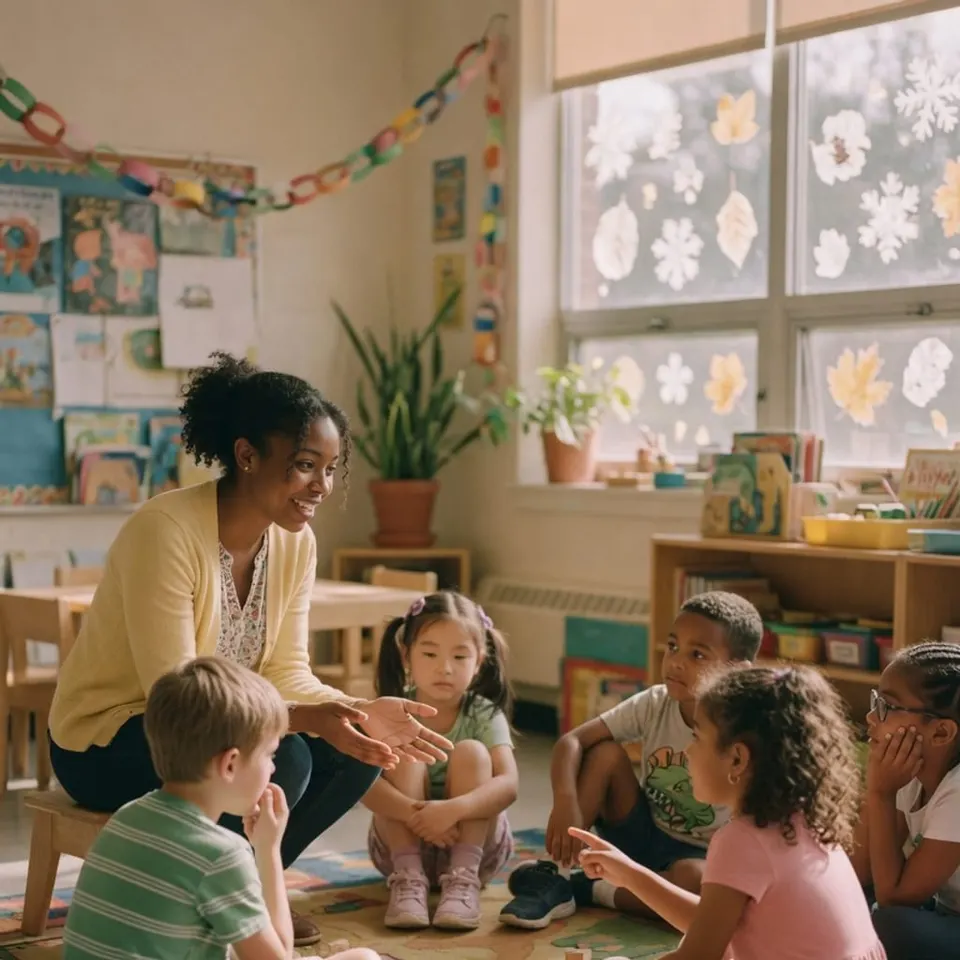
In short: Generalization is the ability to apply a learned skill in different environments, with different people, and under different conditions. ABA therapists use strategies like teaching in multiple settings, using varied materials, and involving parents to help skills stick everywhere. This is crucial for real-world success and is often covered by insurance and Medicaid.
Key takeaways
- Generalization means a child uses a skill in new places, with new people, and in new situations.
- ABA programs intentionally plan for generalization from day one, not as an afterthought.
- Parent involvement is key: practicing skills at home and in the community boosts generalization.
- Insurance and Medicaid typically cover generalization-focused ABA therapy.
What Is Generalization in ABA Therapy?
Generalization in Applied Behavior Analysis (ABA) refers to a child's ability to use a learned skill in different situations, with different people, and in different environments. For example, if a child learns to request a snack using a picture card during therapy sessions, generalization means they will also use that card at home with a grandparent or at a restaurant with a new caregiver. Without generalization, skills remain isolated and don't truly help the child navigate the real world.
ABA providers design programs that explicitly target generalization from the start. This is not an afterthought-it is a core component of effective therapy. Board Certified Behavior Analysts (BCBAs) use strategies such as teaching across multiple settings, using varied materials and instructors, and embedding practice into natural routines.

🔗 Related reading: Famous Autistic Musicians & Artists: Inspiring Talent · Find ABA Near Me
Why Generalization Matters for Your Child
Generalization is what makes ABA therapy meaningful. A skill that only works in one room with one therapist has limited value. The ultimate goal of ABA is to improve quality of life, and that happens when skills transfer to everyday situations. For instance, a child who learns to wait calmly in the clinic should also be able to wait at the grocery store checkout or during a sibling's soccer game.
Real-Life Impact
When generalization is strong, children experience less frustration and more independence. They can communicate needs, follow routines, and interact socially across settings. This reduces the need for constant prompting and allows parents to feel more confident in public. It also sets the stage for success in school and later in life.
Common Challenges
Many children naturally struggle with generalization, especially if they have a more rigid learning style. They may associate a skill only with a specific chair, a particular therapist, or a certain time of day. That is why ABA programs must deliberately teach for generalization-by varying the conditions under which the skill is practiced.
How ABA Promotes Generalization: Key Strategies
BCBAs use several evidence-based techniques to help skills stick everywhere. These strategies are built into the treatment plan and monitored through ongoing data collection.
Teaching in Multiple Environments
Therapists work with children in the clinic, at home, in the community, and sometimes at school. Each setting offers different distractions, people, and cues. By practicing in all of them, the child learns that the skill applies no matter where they are.
Using Multiple People
Generalization across people is essential. If only one therapist teaches a skill, the child may only respond to that person. Programs intentionally involve parents, siblings, grandparents, babysitters, and even peers so the child learns to use the skill with anyone.
Varying Materials and Instructions
Using different toys, pictures, or verbal cues prevents the child from relying on a single prompt. For example, if teaching a child to identify colors, the therapist might use crayons, blocks, clothing, and digital apps. This flexibility helps the child understand the concept rather than just memorizing a specific response.
Natural Environment Teaching (NET)
NET is a core ABA approach that embeds learning into everyday activities. Instead of sitting at a table, the therapist might work on requesting during snack time, turn-taking during a board game, or labeling items during a walk in the park. This makes generalization more natural and likely to stick.

🔗 Related reading: Texas Autism Support Groups: A Parent's Guide · Local ABA Therapy
What to Expect in a Generalization-Focused ABA Program
When you start ABA therapy, the BCBA will conduct an assessment and create a treatment plan that includes specific generalization goals. You should expect regular parent training sessions where you learn to prompt and reinforce skills at home. The therapist may also accompany you on community outings to practice in real-world settings.
Data collection is ongoing. The BCBA will track not only whether the child can perform the skill in the clinic but also how often they use it in other environments. If generalization is not happening, the team will adjust the strategies. This might mean adding more settings, involving more people, or changing the teaching method.
Progress can take time-generalization does not happen overnight. But with consistent effort, most children show meaningful improvement. Remember, every child is different, and the pace of generalization varies.
Costs and Insurance Coverage for ABA Generalization
ABA therapy is a covered benefit under many private insurance plans and state Medicaid programs. Because generalization is an integral part of ABA, it is included in the services that insurance reimburses. This includes time spent in community settings, parent training, and consultation with schools or other providers.
If you have private insurance, check your plan's behavioral health benefits. Most states have mandates requiring coverage of ABA for autism. Medicaid also covers ABA in all states, though specific eligibility and authorization processes vary. Some states offer Early Intervention programs that may include ABA services for children under three.
There is no extra cost for generalization-focused strategies-they are part of the standard ABA treatment package. However, some providers may bill for community hours differently. Always ask your provider or your insurance company for details. If you need help navigating these options, a free service like Autism Services Near Me can match you with BCBA-led providers who accept your insurance and understand how to bill for generalization services.

Practical Tips for Parents: Supporting Generalization at Home
You are your child's most important teacher. Here are actionable steps you can take to help skills stick everywhere.
- Practice in different rooms. If your child learns to put away toys in the therapy room, practice the same skill in the living room, bedroom, and kitchen.
- Involve other family members. Ask grandparents, siblings, or babysitters to use the same prompting and reinforcement strategies. Consistency across people helps generalization.
- Use real-life opportunities. Turn daily routines into learning moments. Brushing teeth, getting dressed, and meal times are perfect for practicing communication and self-help skills.
- Change up the materials. If your child uses a specific app to learn letters, also use magnetic letters, books, and sidewalk chalk. Variety builds flexibility.
- Celebrate small wins. When your child uses a skill in a new place, give enthusiastic praise. Positive reinforcement strengthens the behavior and encourages repetition.
- Communicate with the therapy team. Share what you see at home. The BCBA can adjust strategies based on your observations.
Mistakes to Avoid in Generalization
Even well-intentioned parents and therapists can accidentally hinder generalization. Here are common pitfalls and how to steer clear of them.
Teaching in Only One Setting
If therapy only happens in a clinic room, the child may associate the skill with that specific environment. Make sure the program includes home and community sessions from the beginning.
Using Only One Therapist
When a single therapist delivers all instruction, the child may only respond to that person. Programs should rotate therapists or include parent-led sessions to broaden the child's responsiveness.
Over-Prompting
Providing too many cues can prevent the child from learning to initiate the skill independently. Fade prompts gradually and allow the child to try on their own, even if they make mistakes.
Ignoring Motivation
If a skill is not reinforcing for the child, they won't use it outside of sessions. Pair learning with preferred activities and natural rewards to increase motivation.
Expecting Too Much Too Fast
Generalization is a process. Avoid frustration by celebrating small steps. If a child uses a greeting at the clinic but not at the store, that is still progress-it means the skill is partially generalized.
Finding the Right ABA Provider for Generalization
Not all ABA programs emphasize generalization equally. When searching for a provider, ask specific questions during your initial consultation. Inquire about their approach to generalization, how they involve parents, and whether they provide therapy in multiple settings. Look for a BCBA-led team that values collaboration and data-driven decision making.
A free matching service like Autism Services Near Me can simplify your search. By answering a few questions about your child's needs, location, and insurance, you can be connected with vetted, BCBA-led providers who prioritize generalization and evidence-based practices. This takes the guesswork out of finding a quality program and ensures you get the support your family deserves.